

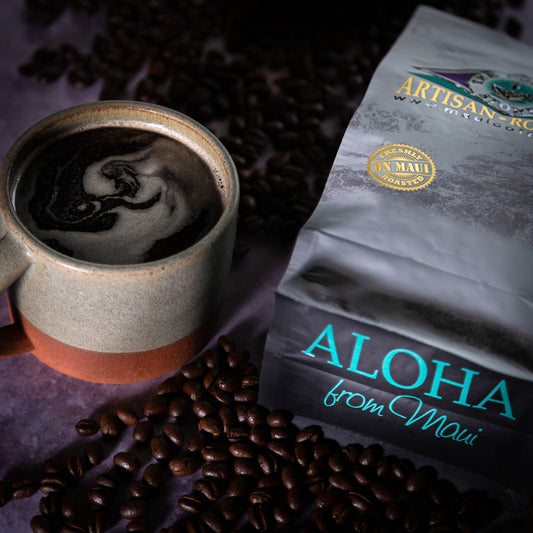

Coffee quality is influenced by every step of the journey, from where the beans are grown to how they are roasted and prepared. One approach that has become increasingly important in specialty coffee is small batch coffee, a roasting method focused on producing coffee in limited quantities with greater attention to detail.
But what does small-batch coffee actually mean? Does roasting smaller quantities automatically create better coffee? How does batch size affect freshness, consistency, and flavor?
Small batch coffee refers to coffee roasted in limited quantities, allowing roasters to closely monitor each batch, adjust roasting profiles, and maintain greater control over freshness and quality.
For specialty coffee buyers, understanding small-batch roasting provides insight into why some coffees have more distinct flavors, better freshness, and a stronger connection between the roaster and the final cup.
What Is Small-Batch Coffee?
Small-batch coffee is coffee produced and roasted in smaller quantities compared with large-scale commercial coffee production.
Instead of roasting thousands of pounds of coffee at once, small-batch roasters typically focus on producing manageable quantities that allow closer attention throughout the roasting process.
This approach allows roasters to evaluate factors such as:
-
Bean development
-
Roast progression
-
Aroma changes
-
Color development
-
Flavor results
The purpose of small-batch roasting is not simply producing less coffee. The goal is creating more control over the process.
Small-batch coffee reflects a craftsmanship-focused approach where each batch receives individual attention.
How Does Small-Batch Coffee Roasting Work?
The small-batch roasting process begins with selecting quality green coffee beans and understanding their unique characteristics.
Before roasting, professionals evaluate factors such as:
-
Coffee origin
-
Bean size
-
Moisture content
-
Density
-
Processing method
Different coffees respond differently to heat, meaning roasting requires adjustments based on the characteristics of each bean.
Selecting the Right Roast Profile
A roast profile determines how heat is applied throughout the roasting process.
The roaster manages variables including:
-
Temperature changes
-
Roasting time
-
Heat application
-
Development stage
The objective is to highlight the natural qualities of the coffee rather than applying the same process to every bean.
Monitoring Each Batch
One of the advantages of small-batch roasting is the ability to closely observe each roast.
Roasters can evaluate:
-
Aroma changes
-
Bean appearance
-
Roasting sounds
-
Flavor development
The Coffee Store emphasizes artisan roasting practices where each batch is evaluated through sensory judgment, including sound, smell, and visual changes during roasting.
This attention helps preserve the characteristics that make each coffee unique.
Why Does Small-Batch Roasting Improve Freshness?
Freshness is one of the most important factors influencing coffee quality.
After roasting, coffee begins changing as it releases gases and interacts with oxygen. Over time, aroma and flavor compounds naturally decrease.
Small-batch production supports freshness by allowing roasters to produce coffee closer to demand rather than relying on long storage periods.
Benefits include:
-
Shorter time between roasting and consumption
-
Better preservation of aromas
-
More consistent quality
-
Improved connection between roasting and brewing
The Coffee Store highlights small-batch freshness as a core principle, focusing on roasting coffee close to order to help maintain quality.
How Small-Batch Coffee Affects Flavor
Coffee flavor depends on many factors, including origin, processing, roasting, and freshness.
Small-batch roasting does not create flavor by itself. Instead, it gives the roaster more control to develop the qualities already present in the coffee.
This can help highlight characteristics such as:
-
Chocolate notes
-
Caramel sweetness
-
Fruity aromas
-
Nutty flavors
-
Floral characteristics
-
Balanced acidity
The final flavor depends on the relationship between the coffee’s origin and the roasting approach.
Why Quality Control Matters in Small-Batch Coffee
One of the biggest differences between small-batch and large-scale coffee production is the level of control during roasting.
Large commercial operations often prioritize:
-
High production volume
-
Standardized output
-
Long distribution cycles
Small-batch roasting often prioritizes:
-
Attention to individual coffees
-
Roast adjustments
-
Freshness
-
Detailed evaluation
This does not mean every small-batch coffee is automatically better. Quality depends on sourcing, roasting expertise, and preparation.
However, smaller production allows more opportunities for careful decision-making throughout the process.

Small-Batch Coffee vs. Mass-Produced Coffee
Understanding the difference between these approaches helps consumers recognize what they are choosing.
Small-Batch Coffee
Small-batch coffee generally focuses on:
-
Limited production quantities
-
Detailed roasting attention
-
Freshness
-
Unique coffee characteristics
-
Artisan craftsmanship
Mass-Produced Coffee
Large-scale coffee production often focuses on:
-
High-volume manufacturing
-
Consistency across large quantities
-
Extended distribution networks
-
Longer shelf availability
Both approaches serve different purposes, but specialty coffee consumers often value the additional attention associated with smaller production methods.
The Connection Between Small-Batch Coffee and Specialty Coffee
Specialty coffee focuses on understanding and preserving the qualities of each coffee throughout the journey from farm to cup.
Small-batch roasting supports this philosophy because it allows greater attention to:
-
Coffee origin
-
Processing methods
-
Roast development
-
Freshness
-
Brewing performance
The Coffee Store sources coffees from different regions, including Maui, Kona, Kaʻū, and international origins, while maintaining accurate descriptions of each coffee’s origin.
By understanding where coffee comes from and how it is roasted, consumers can better appreciate the characteristics of each cup.
How Small-Batch Roasting Protects Coffee Quality
Coffee quality can be affected by several stages after harvesting.
Small-batch roasting helps protect quality by allowing attention to important details.
Better Roast Adjustments
Different coffees require different approaches.
A roaster can adjust profiles based on each coffee’s characteristics rather than using a single standard process.
Greater Attention to Freshness
Smaller production cycles can help reduce the time coffee spends sitting after roasting.
More Consistent Evaluation
Roasters can evaluate results from previous batches and make improvements over time.
This continuous refinement is part of the craft behind specialty coffee.
How to Choose High-Quality Small-Batch Coffee
When selecting small-batch coffee, consumers should look beyond the label.
Consider:
Coffee Origin Information
Transparent coffee descriptions help buyers understand where their coffee comes from.
Origin influences:
-
Flavor profile
-
Growing conditions
-
Processing style
Roasting Transparency
A quality roaster should communicate information about:
-
Roast approach
-
Freshness practices
-
Coffee characteristics
Freshness After Roasting
Freshly roasted coffee provides a better opportunity to experience the intended flavors developed during roasting.
For coffee enthusiasts interested in exploring different specialty coffee options, The Coffee Store offers freshly roasted selections created with attention to sourcing, roasting, and freshness.
Explore the specialty coffee collection to discover different coffee origins and roast profiles.
How to Brew Small-Batch Coffee
Even carefully roasted coffee requires proper preparation.
Brewing variables influence the final cup, including:
-
Grind size
-
Coffee-to-water ratio
-
Water quality
-
Brewing method
-
Extraction time
Popular brewing methods include:
Pour-Over
Highlights:
-
Aroma
-
Clarity
-
Origin characteristics
French Press
Highlights:
-
Body
-
Texture
-
Richness
Espresso
Highlights:
-
Intensity
-
Concentration
-
Sweetness
The best method depends on the coffee and personal preference.
Small-Batch Coffee and the Future of Coffee Culture
Modern coffee consumers increasingly value transparency, craftsmanship, and connection.
Small-batch coffee represents this shift by emphasizing the relationship between:
-
Farmers
-
Roasters
-
Brewing methods
-
Coffee drinkers
Rather than viewing coffee as a simple commodity, specialty coffee treats each batch as a product with a story and unique characteristics.
MauiCoffee.com operates as an artisan roastery rather than a coffee farm or plantation. Its focus is sourcing, roasting, and presenting coffees accurately according to their origins.
Where to Buy Small-Batch Coffee
Choosing small-batch coffee means choosing a roasting approach focused on freshness, attention, and craftsmanship.
The Coffee Store offers specialty coffee selections designed for customers who appreciate carefully roasted beans and unique coffee experiences.
Explore the available coffee collection and discover freshly roasted options created with attention to quality and flavor.
Frequently Asked Questions About Small-Batch Coffee
What is small-batch coffee?
Small-batch coffee is coffee roasted in limited quantities to allow greater attention to roasting details, freshness, and quality control.
Is small-batch coffee better than regular coffee?
Small-batch coffee is not automatically better, but the smaller production approach allows roasters more control over the roasting process and freshness.
Why is small-batch coffee fresher?
Small-batch roasting allows coffee to be produced closer to customer demand, reducing the time between roasting and consumption.
Does small-batch roasting improve coffee flavor?
Small-batch roasting can help highlight the natural characteristics of coffee by allowing more control over roast development and quality evaluation.
How is small-batch coffee different from commercial coffee?
Small-batch coffee generally focuses on limited production, craftsmanship, and freshness, while commercial coffee often prioritizes large-scale production and distribution.
Is small-batch coffee always specialty coffee?
Not necessarily. Small-batch describes the production approach, while specialty coffee refers to quality standards, sourcing, and evaluation.
Experience Coffee Crafted With Care
Small-batch coffee represents a different approach to roasting—one focused on attention, freshness, and understanding the unique qualities of each coffee.
From selecting green coffee beans to developing the final roast profile, every decision influences the experience in the cup.
For coffee lovers who value freshness and craftsmanship, small-batch roasting offers a closer connection to the story behind each coffee.
Explore The Coffee Store’s specialty coffee collection and discover freshly roasted coffees created with attention to quality, freshness, and flavor:
https://mauicoffee.com/collections/frontpage


