

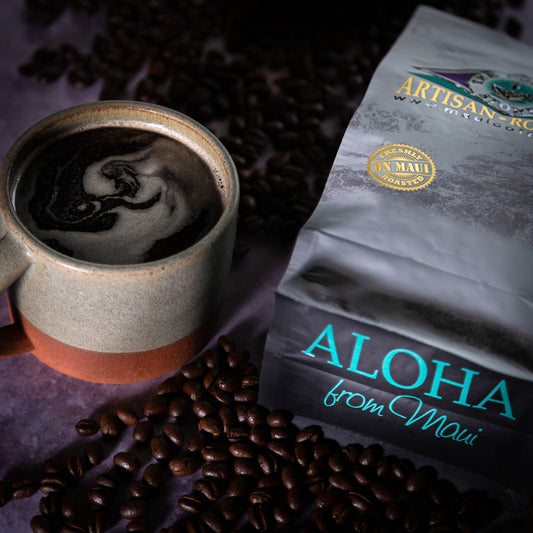

The journey of coffee does not end when the beans leave the roaster. In many ways, it is only the beginning of a transformation that continues until the coffee is brewed.
Freshly roasted coffee beans provide the foundation for a more aromatic, flavorful, and balanced cup because roasting unlocks the compounds responsible for coffee’s familiar aromas and tastes. However, freshness is not only about the day coffee is roasted. The timing after roasting also plays an important role in how coffee develops and how it performs during brewing.
For specialty coffee buyers and coffee enthusiasts, understanding roast timing helps explain why coffee can taste different depending on when it is brewed after roasting.
This guide explores what happens after roasting, why roast dates matter, how freshness affects flavor, and how choosing properly timed freshly roasted coffee beans can improve the overall coffee experience.
What Are Freshly Roasted Coffee Beans?
Freshly roasted coffee beans are coffee beans that have recently completed the roasting process and still retain many of the aromas and flavor compounds developed during roasting.
Before roasting, coffee beans are green and contain the potential characteristics created by their origin, variety, and processing method. Roasting transforms these beans by applying heat, creating the flavors and aromas associated with brewed coffee.
During roasting, several changes occur:
-
The beans expand
-
Moisture decreases
-
Aromatic compounds develop
-
Sugars and acids transform
-
Flavor characteristics become more noticeable
After roasting, the beans continue changing as they release gases and stabilize.
This means freshness is not simply about having coffee that was roasted recently. It is about understanding how coffee evolves after roasting.
Why Does Roast Timing Matter?
Roast timing affects coffee because roasted beans are not a static product. They continue developing after they leave the roasting machine.
Immediately after roasting, coffee contains a significant amount of carbon dioxide created during the roasting process. This gas gradually escapes through a process called degassing.
The timing between roasting and brewing influences:
-
Aroma intensity
-
Extraction quality
-
Flavor balance
-
Body and texture
Coffee that is brewed too soon may still contain excessive gas, while coffee that has aged too long may lose some of its aromatic complexity.
Finding the right balance allows the coffee to express its intended characteristics.
What Happens to Coffee After Roasting?
The period after roasting is an important stage in the coffee journey.
The Degassing Process
After roasting, coffee beans naturally release carbon dioxide.
This process is important because excessive gas can interfere with brewing, especially with methods like espresso where extraction is highly sensitive.
As coffee rests:
-
Gas levels decrease
-
Flavors stabilize
-
Extraction becomes more predictable
The rate of degassing depends on factors such as:
-
Roast level
-
Bean structure
-
Storage conditions
-
Coffee origin
Flavor Development After Roasting
Freshly roasted coffee continues to change as it rests.
During this period, flavors may become:
-
More balanced
-
Smoother
-
More defined
A coffee that tastes sharp or uneven immediately after roasting may become more harmonious after an appropriate resting period.
This is why many specialty coffee professionals consider roast timing when evaluating coffee quality.
The Ideal Time to Brew Freshly Roasted Coffee Beans
There is no single perfect day for every coffee because roast style, coffee origin, and brewing method influence the ideal timing.
However, many coffee enthusiasts prefer brewing coffee after allowing some time for the beans to rest and stabilize.
Factors that influence the ideal brewing window include:
Roast Profile
Different roast levels develop differently after roasting.
-
Lighter roasts may require more resting time because they can release gas more slowly.
-
Darker roasts may stabilize faster but can also age more quickly.
Brewing Method
Different brewing methods interact differently with freshly roasted beans.
Espresso is especially sensitive to roast timing because pressure-based extraction requires precise control.
Methods such as pour-over or drip coffee may provide more flexibility.
Storage Conditions
Coffee stored properly will maintain quality longer than coffee exposed to:
-
Oxygen
-
Heat
-
Light
-
Moisture

How Freshness Influences Coffee Flavor
Freshly roasted coffee beans contain aromatic compounds that contribute to the overall sensory experience.
As coffee ages, some volatile compounds gradually disappear, affecting the final cup.
Fresh coffee can help preserve:
-
Aroma
-
Sweetness
-
Complexity
-
Balance
-
Flavor clarity
Depending on the coffee origin and roast style, freshly roasted beans may highlight characteristics such as:
-
Chocolate
-
Caramel
-
Nuts
-
Fruit
-
Floral notes
-
Spices
The final flavor depends on the relationship between the coffee itself, roasting, freshness, and preparation.
How Roasting Creates Coffee Flavor
Roasting is the stage where the potential of green coffee beans becomes the recognizable coffee experience.
During roasting, heat triggers chemical reactions that develop:
-
Color
-
Aroma
-
Sweetness
-
Body
-
Flavor complexity
The roaster must carefully manage:
-
Temperature changes
-
Roast duration
-
Heat application
-
Development time
The Coffee Store emphasizes artisan roasting practices, where each batch is evaluated through sensory judgment, including sound, smell, and visual changes during the roasting process.
This attention to detail allows the characteristics of each coffee to be developed intentionally.
Why Small-Batch Roasting Supports Freshness
Small-batch roasting allows greater attention to consistency, timing, and quality control.
Instead of producing large quantities that may sit for extended periods, smaller production cycles allow coffee to be roasted closer to when customers purchase and prepare it.
The Coffee Store highlights small-batch freshness as one of its core principles, focusing on roasting coffee close to order to help preserve quality.
This approach supports a better connection between the roasting process and the final cup.
Freshly Roasted Coffee Beans vs. Older Coffee Beans
The difference between fresh and older coffee is often noticeable through aroma and flavor.
Freshly Roasted Coffee Beans
Fresh beans generally provide:
-
Stronger aroma
-
More vibrant flavor characteristics
-
Better expression of roast profile
-
Greater complexity
Older Coffee Beans
Coffee that has aged significantly may experience:
-
Reduced aroma
-
Less flavor intensity
-
Flat or muted characteristics
However, freshness alone does not guarantee quality. Good coffee also depends on sourcing, roasting skill, and preparation.
How to Store Freshly Roasted Coffee Beans
Proper storage helps protect the quality developed during roasting.
Keep Coffee Away From Oxygen
Air exposure accelerates the aging process.
Store beans in:
-
Airtight containers
-
Properly sealed packaging
Protect Coffee From Light
Light can negatively affect coffee quality over time.
A dark storage location helps preserve freshness.
Avoid Heat and Moisture
Coffee should be stored away from:
-
Heat sources
-
Steam
-
Humid environments
-
Temperature fluctuations
Good storage helps maintain the flavors created during roasting.
How to Choose Freshly Roasted Coffee Beans
Selecting quality coffee requires looking beyond the word “fresh.”
Consider:
Roast Date Information
A clear roast date helps consumers understand when the coffee was produced.
Coffee Origin
Origin influences the flavors available after roasting.
The Coffee Store sources coffee from different regions, including Maui, Kona, Kaʻū, and international coffee-growing areas, while maintaining accurate descriptions of each coffee’s origin.
Roasting Approach
A skilled roaster adapts the roasting process to highlight the characteristics of each coffee.
Freshness and Preparation
Fresh beans combined with proper grinding and brewing techniques create the best opportunity for a quality cup.
How to Get the Best Results From Fresh Coffee
Even high-quality freshly roasted coffee requires proper preparation.
Important factors include:
Grind Before Brewing
Grinding coffee shortly before preparation helps preserve aroma and flavor.
Use the Correct Grind Size
Different brewing methods require different grind settings.
Maintain Consistent Brewing
Consistency in:
-
Coffee amount
-
Water temperature
-
Brewing time
helps produce better results.
Freshness works together with technique to create the final experience.
Freshly Roasted Coffee Beans and Specialty Coffee Culture
Specialty coffee focuses on understanding the complete journey from farm to cup.
Freshly roasted coffee represents this philosophy because it connects:
-
Coffee origin
-
Processing
-
Roasting
-
Storage
-
Brewing
Each step influences what appears in the final cup.
MauiCoffee.com operates as an artisan roastery rather than a coffee farm or plantation. Its role focuses on sourcing, roasting, and presenting coffees accurately according to their origins.
This approach allows coffee drinkers to appreciate both the craftsmanship and the story behind each coffee.
Where to Buy Freshly Roasted Coffee Beans
For coffee lovers who want to experience the difference freshness can make, choosing coffee from a roaster focused on quality, craftsmanship, and careful preparation is essential.
The Coffee Store offers freshly roasted coffee selections created for customers who appreciate specialty coffee and want to explore different origins and flavor profiles.
Explore the available freshly roasted coffee selections and discover coffee options crafted with attention to freshness and flavor.
Frequently Asked Questions About Freshly Roasted Coffee Beans
What are freshly roasted coffee beans?
Freshly roasted coffee beans are beans that have recently undergone roasting and still retain many of the aromas and flavors developed during the roasting process.
Why does roast date matter for coffee?
The roast date helps indicate how recently coffee was produced. Since coffee continues changing after roasting, timing affects aroma, flavor balance, and brewing performance.
Should coffee be brewed immediately after roasting?
Not always. Freshly roasted coffee often benefits from resting after roasting so gases can release and flavors can stabilize.
How long do freshly roasted coffee beans stay fresh?
Freshness depends on factors such as roast style, storage conditions, packaging, and exposure to oxygen. Proper storage helps maintain quality longer.
Does fresh roasted coffee taste better?
Freshness can improve aroma, flavor clarity, and complexity, but quality also depends on the coffee origin, roasting skill, and brewing technique.
How should freshly roasted coffee beans be stored?
Coffee beans should be stored in an airtight container away from light, heat, moisture, and temperature changes.
Experience Coffee at the Right Moment
Freshly roasted coffee beans represent the connection between roasting craftsmanship and the final coffee experience.
The best coffee is not only about when beans are roasted, but also about how they are developed, stored, prepared, and enjoyed.
Understanding roast timing helps coffee drinkers appreciate why freshness matters and how small differences in timing can influence flavor.
Explore The Coffee Store’s selection of freshly roasted specialty coffees and discover beans crafted with attention to quality, freshness, and flavor:
https://mauicoffee.com/collections/frontpage


