

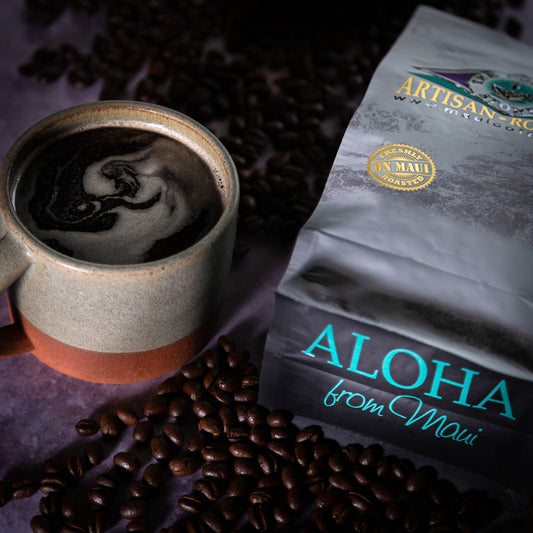

What Is Fresh Roasted Coffee?
Fresh roasted coffee is coffee that has recently been roasted and still retains many of the aromatic compounds and flavor characteristics developed during the roasting process.
Freshness influences how coffee smells, tastes, and expresses its unique qualities. While factors such as coffee origin, processing method, roast profile, and brewing technique all affect the final cup, fresh roasted coffee helps preserve the characteristics that make specialty coffee distinctive.
For coffee drinkers who appreciate complexity, balance, and origin-specific flavors, freshness is an important part of the overall coffee experience.
Why Does Fresh Roasted Coffee Taste Different?
Fresh roasted coffee tastes different because roasting creates hundreds of chemical compounds that contribute to aroma, sweetness, acidity, and flavor complexity.
When coffee beans are roasted, heat transforms their internal structure and develops the flavors that appear during brewing. These changes create the sensory qualities people associate with specialty coffee, including:
-
Rich aroma
-
Balanced sweetness
-
Distinct flavor notes
-
Fuller body
-
A cleaner overall cup profile
Over time, coffee naturally changes. Some aromatic compounds become less noticeable, which can influence how flavors are perceived. Freshness helps maintain the characteristics created during roasting and allows coffee drinkers to better experience the intended profile of the beans.
How Does Coffee Roasting Affect Flavor?
Roasting is one of the most important steps in shaping coffee flavor.
During roasting, heat triggers chemical reactions that develop:
|
Coffee Characteristic |
How Roasting Influences It |
|
Aroma |
Creates the compounds responsible for coffee’s fragrance |
|
Sweetness |
Develops flavors associated with caramelization |
|
Acidity |
Influences brightness and balance |
|
Body |
Changes the texture and mouthfeel of the coffee |
|
Flavor complexity |
Reveals characteristics connected to the coffee bean |
A thoughtful roasting approach considers the individual characteristics of each coffee rather than applying the same process to every bean.
Artisan roasting focuses on bringing out the qualities that make each coffee unique, including the influence of origin, variety, and growing conditions.
What Makes Fresh Roasted Coffee More Aromatic?
One of the first differences many coffee drinkers notice with fresh roasted coffee is aroma.
Coffee aroma comes from volatile compounds created during roasting. These compounds contribute to the sensory experience before the first sip and influence how flavors are perceived.
Fresh roasted coffee can provide:
|
Fresh Roasted Coffee |
Coffee With Reduced Freshness |
|
More noticeable aroma |
Less pronounced aroma |
|
Greater flavor clarity |
Less defined flavors |
|
Stronger expression of origin characteristics |
Less noticeable origin qualities |
|
More complex sensory experience |
A flatter flavor profile |
Freshness does not replace quality sourcing or proper brewing, but it helps protect the qualities that make specialty coffee enjoyable.
Why Is Freshness Important in Specialty Coffee?
Freshness is especially important in specialty coffee because every step of the coffee journey contributes to the final cup.
Specialty coffee quality is influenced by:
-
Growing region
-
Coffee variety
-
Farming practices
-
Processing method
-
Roasting approach
-
Brewing technique
When these elements are carefully considered together, freshness helps preserve the characteristics that make a coffee memorable.
A coffee with unique origin characteristics requires careful handling to allow those qualities to be experienced as intended.
How Does Coffee Origin Influence Fresh Roasted Coffee?
Coffee origin plays an important role in flavor development. Climate, elevation, soil conditions, and farming practices all influence how coffee plants grow and how their beans develop.
Hawaiian coffee demonstrates how geography shapes coffee identity. The Hawaiian Islands contain several distinct coffee-growing regions, each with its own characteristics.
Maui, Kona, and Kaʻū represent different coffee origins and should not be treated as interchangeable. Each region has its own environment, history, and coffee-growing identity.
Maui coffee represents one of these unique origins, offering coffee drinkers the opportunity to explore flavors connected to the island’s growing environment and coffee traditions.
Fresh Roasted Coffee vs Regular Coffee: What Is the Difference?
The difference between fresh roasted coffee and other coffee options is not simply where coffee is purchased. It involves the complete process behind sourcing, roasting, handling, and preparation.
|
Factor |
Fresh Roasted Specialty Coffee |
Standard Coffee |
|
Roasting approach |
Focuses on preserving bean characteristics |
Often designed for consistency at scale |
|
Production |
Frequently produced in smaller batches |
Usually produced in larger quantities |
|
Flavor focus |
Highlights origin and complexity |
Focuses on familiarity and convenience |
|
Coffee experience |
Encourages exploration of unique flavors |
Provides a consistent everyday option |
Freshness is one part of a larger quality process that includes sourcing, roasting expertise, and preparation.

Why Does Small-Batch Roasting Matter?
Small-batch roasting allows greater attention to the characteristics of individual coffee beans.
A careful roasting process can consider:
-
Bean origin
-
Coffee variety
-
Desired flavor profile
-
Roast development
-
Sensory characteristics
Small-batch freshness is an important part of specialty coffee quality because coffee can be roasted closer to when it is needed rather than sitting for extended periods and losing freshness.
For Maui Coffee, artisan roasting is part of its identity. The roastery is based on Maui, Hawaiʻi, and its approach emphasizes hands-on sensory judgment, where roasting decisions are guided by experience and observation rather than relying only on automated profiles.
How Should Fresh Roasted Coffee Be Stored?
Proper storage helps protect coffee quality after roasting.
To maintain freshness, coffee should be:
-
Stored in an airtight container
-
Protected from heat and moisture
-
Kept away from direct sunlight
-
Ground shortly before brewing when possible
-
Purchased in quantities suitable for regular consumption
Storage plays an important role because exposure to unfavorable conditions can affect aroma and flavor over time.
Is Fresh Roasted Coffee Worth It?
For coffee drinkers who value flavor complexity and specialty coffee quality, fresh roasted coffee can provide a more rewarding experience.
The value of fresh roasted coffee comes from preserving the work involved throughout the coffee journey — from cultivation and processing to roasting and brewing.
Coffee is more than a beverage consumed for caffeine. It is an opportunity to experience the characteristics created by a specific origin, a carefully developed roast, and thoughtful preparation.
Why Maui Coffee Represents Fresh Roasted Coffee Craftsmanship
Maui Coffee represents the connection between Hawaiian coffee, artisan roasting, and attention to quality.
Based on the island of Maui, Hawaiʻi, the roastery has been established since 1974 and focuses on craftsmanship, small-batch roasting, and understanding the characteristics of each coffee.
The brand’s approach reflects a broader philosophy in specialty coffee: quality comes from respecting the beans, understanding their origin, and carefully developing their flavors through roasting.
Freshness is not simply a step in the process — it is part of what allows specialty coffee to express its full character.
Frequently Asked Questions About Fresh Roasted Coffee
What is fresh roasted coffee?
Fresh roasted coffee is coffee that has recently undergone the roasting process and retains many of the aromatic and flavor compounds created during roasting.
Why does fresh roasted coffee taste better?
Fresh roasted coffee can provide more noticeable aroma and clearer flavor characteristics because roasting creates compounds that influence the coffee experience.
How does roasting change coffee beans?
Roasting transforms green coffee beans through heat-driven chemical reactions that develop aroma, sweetness, acidity, body, and flavor complexity.
Does coffee origin affect flavor?
Yes. Coffee-growing region, climate, elevation, soil conditions, and farming practices all influence the characteristics found in the final cup.
Why is small-batch coffee important?
Small-batch roasting allows greater attention to the characteristics of each coffee and supports a more intentional approach to quality.
How should fresh roasted coffee be stored?
Fresh roasted coffee should be stored in an airtight container away from heat, moisture, and direct sunlight to help preserve quality.
Is Hawaiian coffee different from other coffee?
Yes. Hawaiian coffee comes from unique growing regions with distinct environments and characteristics. Maui, Kona, and Kaʻū represent different coffee origins with their own identities.
Contact Maui Coffee for Fresh Roasted Coffee Questions
Choosing coffee often begins with understanding where it comes from, how it is roasted, and what makes each coffee unique.
For questions about fresh roasted coffee, Hawaiian coffee origins, available varieties, or choosing beans for a preferred brewing method, Maui Coffee provides additional information about its specialty coffee offerings.
Contact Maui Coffee to learn more about specialty coffee and find the right beans for your next brew. For more information, email info@mauicoffee.com or call 1-800-327-9661.


