

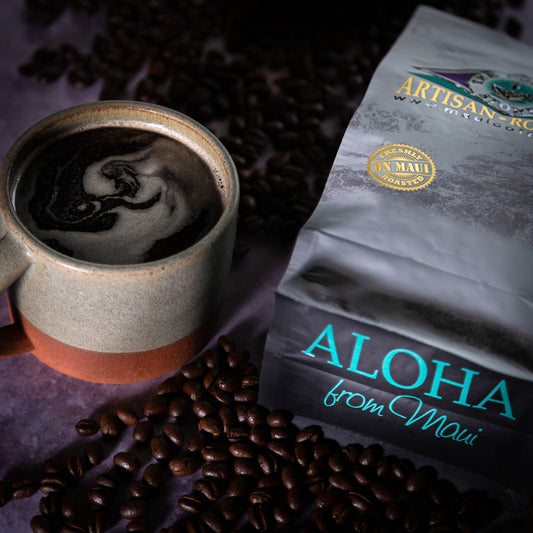

People use “Hawaiian coffee” and “Kona coffee” interchangeably. They shouldn’t.
All Kona coffee is Hawaiian coffee. But Hawaiian coffee is a much broader category - it includes coffee grown on Maui, Kauai, Oahu, Molokai, and the Big Island districts outside of Kona. Each island and each region produces coffee with its own flavor profile, growing conditions, and price point.
Treating them as the same thing is like calling all French wine Burgundy. The umbrella term is accurate but loses everything specific.
Here’s what actually separates Kona from the rest of Hawaiian coffee - and where the other islands hold their own.

The Geographic Distinction
Kona coffee is grown exclusively in the Kona District - the North and South Kona regions on the western slopes of Hualalai and Mauna Loa on Hawaii Island (the Big Island). The Kona Coffee Belt is roughly 30 miles long and one mile wide, sitting between 800 and 2,500 feet elevation.
Hawaiian coffee is any coffee grown commercially in the state of Hawaii. This includes Kona, but also coffee from:
-
Maui - Primarily upcountry Kula, Kaʻanapali, Hāiku, and the North Shore
-
Kauai - The south shore near Koloa, home to Kauai Coffee Company, the largest coffee farm in the United States (over 3,000 acres)
-
Oahu - Small farms on the North Shore and in the Waialua region
-
Molokai - Single-estate production from Molokai Coffee Company
-
Big Island (non-Kona) - Kaʻu District on the southern tip, Hamakua Coast on the northeastern side, and Puna District
Each region has different elevation, rainfall patterns, soil composition, and sun exposure. These differences show up in the cup.
Flavor Differences by Region
Kona (Big Island, West Side)
Profile: Smooth, medium-bodied, very low acidity, nutty with cocoa and caramel notes. Buttery mouthfeel, clean finish.
The Kona Coffee Belt’s western exposure, predictable afternoon cloud cover, and mineral-rich volcanic soil produce a consistently mellow, crowd-pleasing cup. Kona’s flavor is what most people picture when they think of Hawaiian coffee - which is both its strength and the source of the confusion.
Maui
Profile: Brighter, fruitier, more floral than Kona. Mild acidity with smooth finishes. Highly diverse across microclimates.
Maui coffee is less well-known than Kona but has a character all its own. The volcanic slopes of Haleakālā create a wide range of microclimates within a small area - a farm in Kula at 3,000 feet produces a very different cup than a Kaʻanapali estate at 500 feet. The Coffee Store’s 100% Maui coffees showcase this diversity: the Kaʻanapali Estate is rich and full-bodied with a sugar cane sweetness, while the Hāiku Estate is brighter and more complex.
The Kaʻanapali Estate deserves special mention. This former sugar plantation on Maui’s west side was replanted with coffee trees, and the beans produced there have a distinctive profile - smooth, lightly sweet, with stone fruit and honey notes. It’s a Maui-only origin that can’t be found anywhere else.
Kaʻu (Big Island, South Side)
Profile: Complex, fruit-forward, sometimes winey. Higher acidity than Kona. Rich body.
Kaʻu coffee has been quietly gaining recognition in specialty coffee circles. The district sits at higher elevations than much of Kona, and the volcanic soil on the southern slopes of Mauna Loa produces beans with more complexity and brightness than the mellow Kona profile. Kaʻu farms have won multiple cupping awards in the last decade.
Kauai
Profile: Milder, smoother, nutty with earthy undertones. Lower acidity. Less complex than Kona.
Kauai’s coffee is grown at lower elevations on flatter terrain, which allows mechanical harvesting - a rarity in Hawaiian coffee. The island’s large-scale commercial farming makes it among the more accessible and affordable Hawaiian-grown options, though the tradeoff is less of the hand-picked selectivity found at smaller, specialty farms.
Molokai
Profile: Bold, rich, slightly spicy. Closer to Kona’s body but more robust.
Molokai produces very small volumes of estate-grown coffee. The single-estate traceability and distinct flavor make it a collector’s item among Hawaiian coffee enthusiasts.
Grading and Regulation
Kona coffee has the most developed grading system of any Hawaiian origin. The HDOA grades all Kona green coffee from Extra Fancy (highest) through Prime (lowest), based on bean size, defect count, and moisture content.
This doesn’t mean non-Kona Hawaiian coffees are lower quality - it means the grading infrastructure was built around Kona because of its historical market dominance. Some Kaʻu and Maui coffees score higher in blind cupping competitions than Kona coffees that technically earn top grades

Which to Try
The right choice depends on what a drinker prefers in a coffee:
For smooth, mellow, low-acid coffee: Start with Kona. It’s the safest bet for coffee drinkers who prefer their cup easy and balanced. The Coffee Store’s Kona Estate is a reliable introduction.
For more complexity and fruit notes: Try Maui or Kaʻu. These origins have more brightness and range. The Kaʻanapali Estate or Pure Maui XXX will show what Maui can do.
For a broad exploration of Hawaiian coffee: The Coffee Store’s Hawaiian Duo tasting pack pairs Kona and Maui side by side so the difference can be tasted firsthand.
The honest perspective from a Maui roastery: don’t limit exploration to Kona. It’s exceptional coffee with earned prestige. But Hawaiian coffee is bigger than one district, and some of the most exciting things happening in Hawaiian coffee right now are coming from Maui and Kaʻu.
Frequently Asked Questions
Is Kona coffee better than other Hawaiian coffee?
“Better” is subjective. Kona is the most famous and has the longest track record. But Kaʻu coffees have beaten Kona in cupping competitions, and Maui coffees offer flavor profiles that Kona doesn’t. Kona is more consistent - the flavor profile is well-defined and reliable. Other Hawaiian origins are more variable, which means higher highs and lower lows.
Can coffee labeled “Hawaiian” actually be from somewhere else?
“100% Hawaiian Coffee” must be grown in Hawaii. But terms like “Hawaiian Style” or “Hawaiian Roast” have no legal restriction and can be applied to coffee from any origin. Always check for “Product of Hawaii” and “100%” on the label.
Why is Kona more famous than other Hawaiian coffee?
History and marketing. Kona has been commercially produced since the 1820s - over 200 years. The other Hawaiian coffee regions developed commercially much later. Kona also benefits from tourism in the Kona District, which creates direct consumer exposure that other regions don’t have at the same scale.
Is Maui coffee as good as Kona?
Different, not better or worse. Maui coffees tend to be brighter and more diverse in flavor, while Kona is smoother and more consistent. Both are grown in volcanic soil, hand-picked, and produced in small batches. As a Maui-based roastery, The Coffee Store values both - and the Kaʻanapali Estate coffees roasted there can go head-to-head with any Kona on quality.
We roast both 100% Kona and 100% Maui coffees at our Haiku roastery. Try them side by side and discover which Hawaiian coffee suits your palate best.


