

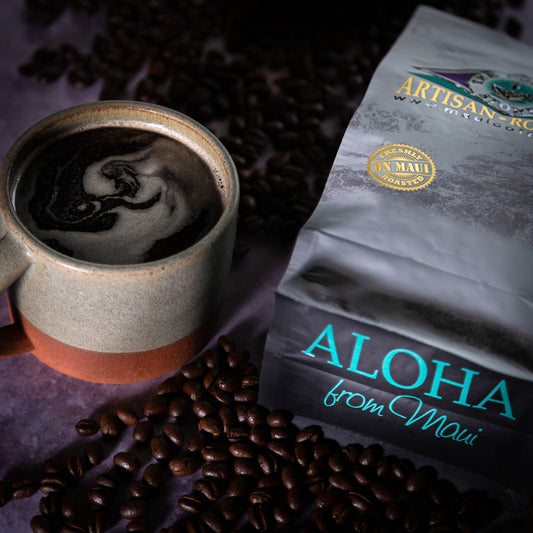

Most of what we know about coffee and health comes from studies of black coffee, not the version with cream and sugar stirred in. Drinking it without cream or sweetener appears to matter for long-term health outcomes, not just calorie counts. Morning and empty-stomach coffee are generally fine for most people, though a small subset may notice digestive or stress-related effects worth paying attention to. Bean quality and freshness still shape whether a black cup is something to look forward to or something to choke down.

Why “Black” Matters: What Sugar and Cream Do to the Benefits
Most of the research on coffee and health was never measuring sweetened, creamed coffee. It was measuring coffee plain. A 2025 prospective cohort study from Tufts University, using NHANES data on more than 46,000 U.S. adults followed for roughly a decade, found that coffee drinkers had a meaningfully lower risk of all-cause mortality than non-drinkers, but that benefit held up clearly only for black coffee and coffee with very low added sugar and saturated fat. Once sugar or cream rose past a small threshold, the protective association faded.
That doesn’t mean a splash of milk undoes coffee. It means the research base most people point to when they talk about coffee’s health benefits was largely built on the version without much added to it. Black coffee is simply closer to the conditions under which those benefits were observed.
There’s also a simpler piece of math here: coffee on its own is close to calorie-free. Sweetened, creamed versions can quietly add up to a few hundred extra calories a day, mostly from added sugar and fat, the same ingredients that show up in nearly every set of dietary guidelines as ones to watch.
Black Coffee and Metabolism
Caffeine has a measurable, if modest, effect on metabolic rate. Controlled studies going back decades have shown that caffeine intake increases thermogenesis, the body’s heat-generating, calorie-burning process, and several have found resting energy expenditure rises by a small percentage shortly after a moderate dose. More recent research on brown adipose tissue suggests caffeine may help activate this calorie-burning tissue, though most of that work is still early.
This is worth keeping in proportion. The effect is real but small, more of a nudge than a transformation, and it fades with regular use as the body adjusts to caffeine over time. Black coffee won’t substitute for diet or activity, but it doesn’t work against either, the way a sugary latte can.
Black Coffee in the Morning — and the Empty-Stomach Question
A lot of people reach for coffee before they’ve eaten anything, and a lot of advice online insists this is a problem. The actual evidence is more measured than the warnings suggest.
Coffee does stimulate stomach acid production, but research hasn’t tied this to a meaningfully higher risk of ulcers or other digestive disease in the general population. Some people do feel discomfort drinking coffee with nothing in their stomach, and for them, eating something first is a reasonable, low-effort fix.
The cortisol question gets raised often, too. Caffeine can produce a temporary rise in cortisol, particularly under stress, but a 2023 study of regular coffee drinkers found no meaningful effect on baseline cortisol from habitual intake, and most researchers see any brief morning spike as exactly that: brief, not something with lasting consequences for most healthy adults. People who are especially sensitive to caffeine, or who are already under significant stress, may notice more from drinking it first thing, which is reason enough to listen to one’s own body rather than follow a blanket rule either way.
Common Add-Ins: What’s Hype, What’s Plausible
A pinch of cinnamon in black coffee adds flavor and a small amount of its own antioxidant content, though there isn’t strong evidence it meaningfully changes coffee’s health profile on its own. A pinch of salt is an old trick for cutting bitterness in a darker roast, more a brewing adjustment than a health intervention. Honey, even in small amounts, reintroduces some of the added sugar that the research above suggests matters, so it’s worth treating as a flavor choice rather than a neutral one.
None of this is a reason to drink coffee any particular way. It’s simply useful to know which changes affect the cup’s flavor and which affect the evidence behind it.
Why Bean Quality Decides Whether Black Coffee Tastes Good
Black coffee asks more of the bean than coffee with cream and sugar does. There’s nowhere for a flat or stale cup to hide. Freshly roasted, well-sourced coffee tends to carry natural sweetness, a rounded body, and a clean finish on its own, the kind of character that makes drinking it without anything added feel like an easy choice rather than a sacrifice.

This is part of why freshness and origin matter so much at The Coffee Store. A coffee grown with care, at the right elevation, and roasted to honor what’s actually in the bean doesn’t need sugar to taste finished. The right roast level can bring out that natural sweetness even further, depending on what someone is brewing and how they prefer to drink it.
FAQ
Is black coffee actually healthier than coffee with milk and sugar?
The available research suggests black coffee and very lightly sweetened coffee are associated with health benefits that diminish once more sugar or saturated fat is added. It’s an association, not a guarantee, and individual health needs vary.
Can I drink black coffee on an empty stomach every day?
Most healthy adults can without issue. Anyone who notices digestive discomfort or feels unusually jittery or anxious may want to eat something first.
Does black coffee help with weight loss?
It may offer a small, temporary boost to calorie burning through caffeine’s effect on metabolism, but it isn’t a weight-loss strategy on its own. It simply avoids adding sugar and fat that can work against other efforts.
What’s the best way to start drinking coffee black if I’m used to cream and sugar?
Starting with a well-roasted, fresher coffee tends to help, since a lot of the perceived need for sugar comes from masking a flat or stale cup rather than black coffee itself.
Grown with care, roasted with intention, and good enough to drink exactly as it is.


