

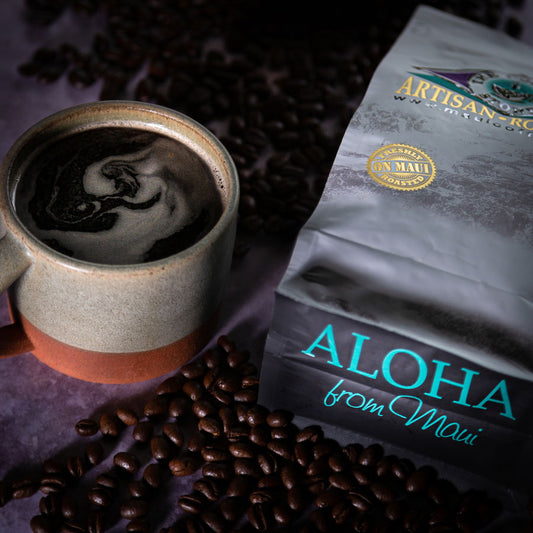

A good cup of Hawaiian Coffee begins with carefully grown and roasted beans. But the filter used during brewing can also influence how that coffee tastes and feels in the cup.
Consider two portions of the same freshly roasted coffee, prepared using paper and metal filters. One may offer a lighter body, a clean finish, and more clearly defined flavor notes. The other may feel fuller and rounder, with a lingering richness.
The difference comes partly from what each filter allows into the finished cup.
Paper and metal filters retain different amounts of coffee oils and fine particles. These materials influence mouthfeel, flavor perception, and the overall drinking experience.
Understanding those differences makes it easier to choose a filter that complements the coffee and individual preferences.
1. How Coffee Filters Influence Flavor
Brewing extracts soluble compounds from ground coffee, creating the aromas, sweetness, acidity, and bitterness associated with the finished cup.
Coffee also contains natural oils and fine particles produced during grinding.
The filter helps determine how much of this material reaches the cup.
Paper filters capture most fine sediment and substantially reduce the amount of coffee oils that pass through. Metal filters generally allow more oils and suspended particles into the finished beverage.
These differences are especially noticeable in texture.
Coffee brewed through paper often feels lighter and cleaner, allowing delicate characteristics to stand out. Metal-filtered coffee typically has a fuller body and a more substantial mouthfeel.
Neither approach is inherently better. Each highlights different qualities of the same coffee.
2. Paper Coffee Filters: Clarity and a Clean Finish
Paper filters are commonly used in pour-over brewers and automatic drip coffee makers.
Their dense fiber structure captures fine particles and retains a substantial portion of the coffee's natural oils.
The result is generally a cleaner cup with less sediment and a lighter body.
This can be particularly appealing when brewing coffees with delicate floral aromas, bright acidity, or subtle fruit characteristics. With fewer suspended particles affecting the texture, individual flavor notes may become easier to distinguish.
For Hawaiian coffees with these characteristics, paper filtration can provide an opportunity to appreciate their complexity.
The trade-off is body.
Some coffee drinkers find paper-filtered coffee less substantial than coffee prepared through metal, even when both beverages have similar concentrations of dissolved coffee compounds.
Paper filters also require replacement, and differences in filter thickness and construction can influence water flow during brewing.
Rinsing a paper filter with hot water before brewing can help minimize potential papery flavors while preheating the brewer.
For those who prefer clarity and a clean finish, paper is often a useful starting point.
3. Metal Coffee Filters: Fuller Body and Richness
Metal filters use fine mesh or perforated surfaces to separate brewed coffee from the grounds.
Unlike paper, they generally allow more coffee oils and very small particles to pass into the finished beverage.
These materials contribute to a fuller mouthfeel, a rounder texture, and a lingering sensation on the palate.
French press brewing offers a familiar example.
The metal screen allows some fine coffee particles to remain in the beverage, often creating a small amount of sediment at the bottom of the cup.
For many coffee drinkers, this additional body is part of the appeal.
The trade-off is a different kind of flavor presentation. Delicate notes may be less distinct when accompanied by greater body and suspended particles, although the underlying characteristics of the coffee remain present.
It is also important to distinguish filter material from brewing method.
French press uses immersion brewing, while reusable metal pour-over filters typically rely on water flowing through the grounds. Differences between those methods involve extraction conditions as well as filtration.
For those who appreciate a richer texture and fuller body, metal filtration offers a distinct experience.
4. Cloth Coffee Filters: A Middle Ground
Cloth filters provide another approach, combining characteristics associated with both paper and metal.
Traditionally made from cotton or similar materials, cloth filters retain much of the fine sediment while allowing some coffee oils to pass through.
The result can be a smooth, rounded cup with good flavor clarity.
Compared with paper, cloth-filtered coffee may offer a slightly fuller body. Compared with metal, it generally produces less visible sediment.
This balance is often described as a silky mouthfeel.
Cloth filtration is associated with traditional brewing methods such as Japanese nel drip, where filter maintenance and pouring technique are important parts of the process.
Maintenance is also its main consideration.
Cloth filters require thorough cleaning and appropriate storage to prevent retained coffee oils, unwanted flavors, and microbial growth.
When properly maintained, they offer another way to explore the relationship between filtration and texture.
5. Paper vs. Metal vs. Cloth: Comparing Coffee Filters
Each filter material offers a different balance of clarity, body, and convenience.
|
Characteristic |
Paper |
Metal |
Cloth |
|
Coffee oils |
Retains a substantial portion |
Allows more through |
Allows some through |
|
Body |
Light to medium |
Medium to full |
Often medium and silky |
|
Flavor clarity |
Generally high |
May be less distinct |
Generally good |
|
Sediment |
Very little |
More noticeable |
Usually minimal |
|
Mouthfeel |
Clean, crisp |
Rich, rounded |
Smooth, balanced |
|
Maintenance |
Replace after use |
Clean after use |
Thorough cleaning and careful storage |
|
Common brewing methods |
Pour-over, drip |
French press, reusable pour-over |
Nel drip, traditional cloth drip |
These descriptions represent general tendencies. Actual results depend on filter construction, grind size, coffee selection, brewing method, and extraction conditions.
There is also a health consideration.
Coffee contains naturally occurring compounds called cafestol and kahweol. These compounds can increase LDL cholesterol when consumed in sufficient amounts.
Paper filtration substantially reduces the amount of these compounds in brewed coffee. Metal-filtered and some unfiltered brewing methods generally retain more.
For individuals who regularly consume larger quantities of coffee, this difference may be worth considering alongside flavor preferences.
Filter choice is ultimately about understanding the characteristics of each method rather than identifying one universally superior option.
6. Why Filter Choice Matters for Hawaiian Coffee
Hawaiian Coffee reflects a diverse range of growing environments.
Across Kona, Kaʻū, Maui, Kauaʻi, and other coffee-producing regions, differences in elevation, rainfall, temperature, soil, coffee variety, and agricultural practices influence the characteristics of the harvest.
Processing and roasting introduce additional variation.
Some Hawaiian coffees offer bright fruit notes, floral aromas, and lively acidity. Others emphasize chocolate, toasted nuts, caramel-like sweetness, or a fuller body.
These differences make filter selection an interesting part of the brewing experience.
For a coffee with delicate floral or fruit characteristics, paper filtration may help emphasize clarity and a clean finish.
A metal filter may complement coffees with deeper chocolate notes and a rounded body, creating a fuller texture that carries through the finish.
Cloth can offer another balance, retaining clarity while contributing a softer mouthfeel.
These are starting points rather than fixed rules.
A bright Hawaiian Coffee can be equally enjoyable through metal, just as a chocolate-forward coffee may develop excellent balance through paper.
The choice depends on which characteristics are most appealing in the finished cup.
Understanding filtration provides another way to appreciate the diversity of Hawaiian Coffee without changing the coffee itself.
7. How to Compare Paper and Metal Filters at Home
A side-by-side tasting is one of the simplest ways to experience the differences between filter materials.
The comparison requires only one coffee, two compatible filters, and a consistent brewing approach.
Step 1: Choose One Coffee
Begin with a freshly roasted Hawaiian Coffee.
Using the same coffee for both preparations keeps the comparison focused on brewing differences rather than differences between beans.
Step 2: Measure Equal Portions
Prepare equal doses of coffee and use the same coffee-to-water ratio and water temperature.
A consistent starting grind size can be useful, although some adjustment may be needed to account for differences in how the filters affect water flow.
Step 3: Brew Through Paper and Metal
For the most direct comparison, use a pour-over brewer that accommodates both paper and metal filters.
This helps reduce differences associated with using separate brewing methods, although each filter may still influence flow rate and extraction.
Step 4: Compare the Finished Cups
Allow both coffees to reach a comfortable drinking temperature before tasting.
Attention can be given to several characteristics:
-
Body: Whether one cup feels heavier or more substantial
-
Clarity: How distinctly individual flavors can be identified
-
Sweetness: Whether the perception of sweetness changes
-
Acidity: Whether the coffee feels brighter or softer
-
Finish: How the flavors and textures linger after swallowing
Tasting the coffees again as they cool may reveal additional differences.
The objective is not to determine which filter produces the better coffee. It is to understand how each material changes the experience and which result best suits individual preferences.
8. Choosing the Right Filter for Hawaiian Coffee
Paper, metal, and cloth filters each offer a different way to experience the same coffee.
Paper generally emphasizes clarity and a clean finish. Metal contributes to a fuller body and a richer mouthfeel. Cloth offers a distinctive balance between texture and flavor definition.
The most appropriate choice depends on the characteristics of the coffee, the brewing method, and personal preference.
For Hawaiian Coffee, experimenting with filtration can be particularly rewarding.
The diversity of growing regions, processing methods, and roasting approaches across Hawaiʻi creates a wide range of flavor profiles worth exploring.
Changing a filter may seem like a small adjustment, but it can reveal another side of a familiar coffee.
Sometimes, understanding what reaches the cup is just as important as understanding where the coffee began.


